
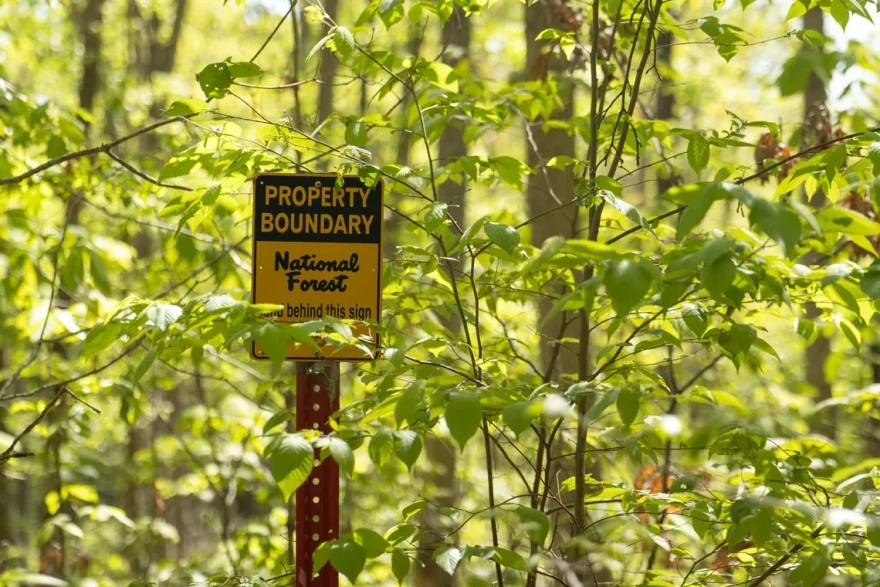
A federal judge has blocked a commercial logging plan in Illinois’ Shawnee National Forest, ruling that the U.S. Forest Service didn’t comply with requirements of the Endangered Species Act when it approved the plan. The 2024 ruling, under the Biden administration, stopped a project the court said the agency had pursued without waiting for a needed biological review.
The roughly 70-acre logging project was supposed to be a forest management project, but environmental groups said the approval process was flawed because the Forest Service didn’t consider enough whether the federally protected Indiana bat was present in the area.
The court said the agency approved the project before it had received a final opinion from the US Fish and Wildlife Service. A later review identified the area as habitat for Indiana bats and recommended additional protections during certain times when the species may be vulnerable.
The ruling doesn’t kill the project for good, but it stops the Forest Service from operating under the existing approval. The agency could change its strategy, restart the review or take other actions to comply with federal environmental protections.
The case exemplifies the persistent struggle between forest management goals, including reducing wildfire risk and enhancing forest health, and conservation initiatives to safeguard threatened and endangered species.
Legal Fight Turns to Indiana Bat Protections
At the core of the lawsuit was whether the Forest Service followed federal rules protecting wildlife before letting the logging go forward. Environmental groups said the agency’s own internal assessments showed the presence of Indiana bats and showed the project could harm the species.
The Forest Service approved the project after an internal review determined the logging would “likely adversely affect” threatened bats even if mitigation measures were put in place, according to court documents. The groups argued the final approval documents did not accurately represent the findings.
The Forest Service defended the project, saying it did not violate the law because no major resources had been committed before further guidance from wildlife officials was sought. The agency also noted planned mitigation to lessen impacts on the Indiana bat population.
Judge Nancy Rosenstengel dismissed the agency's argument, stating that federal agencies cannot disregard legal requirements by moving forward without completing necessary environmental reviews. The ruling highlighted the importance of following established procedures before approving activities that could impact protected species.
It’s part of a bigger national conversation about what to do with federal lands. Pro-logging groups say active forest management can reduce wildfire hazards and improve the health of ecosystems but conservation groups say more logging can threaten habitats and biodiversity.
Political Debate Over Federal Land Management Policies Intensifies
The ruling on the Shawnee National Forest comes as policies on federal land management are a hot-button issue in Washington. The decision has faced criticism because the project was approved under the administration of President Joe Biden, while the Trump administration sought changes to open up federal lands to logging and other development.
The Trump administration is working to roll back environmental regulations, including policies affecting the Endangered Species Act and protections for federal roadless lands. Supporters of the changes say they will accelerate forest management, fire prevention and economic activity in rural areas by reducing regulation.
Environmental groups have fought those efforts, saying that easing protections could increase risks to endangered species and harm sensitive ecosystems. They say federal forests need more conservation protections, not more commercial activity.
The Shawnee case is an example of political shifts affecting environmental decisions. The legal fight is over the Forest Service’s approval process and protections for endangered species, but the case resonates in a larger national debate about the tension between conservation and industry, and the use of public lands.
The Forest Service has not said if it will change the project or take other legal steps following the ruling. The future decisions will likely hinge on further environmental reviews and compliance with the court’s findings.
Future Of The Shawnee Forest Project Up In The Air
A federal court decision puts the future of the Shawnee National Forest logging project in limbo. The ruling puts any action on hold for now, but doesn’t stop the Forest Service from looking for other ways to comply with environmental laws.
Some progress had been made on the project before the court intervened. Logging started in 2025, but was halted, and only a portion of the proposed area was logged.
Controlled logging can be an important tool for managing public lands, improving forest conditions and reducing potential wildfire hazards, forest officials say. But environmentalists say projects must be thoroughly vetted to avoid harm to protected wildlife.
The case could influence decisions on federal forests across the country, particularly as agencies consider expanding timber operations and changing conservation rules. Legal wrangling between environmental groups and government officials over the best way to balance economic, ecological and public safety goals in land management is likely to continue.
The project has been put on hold for now while officials try to figure out what their next step should be. The decision reminds us that federal agencies must strictly comply with environmental review requirements before approving activities that may impact endangered species.